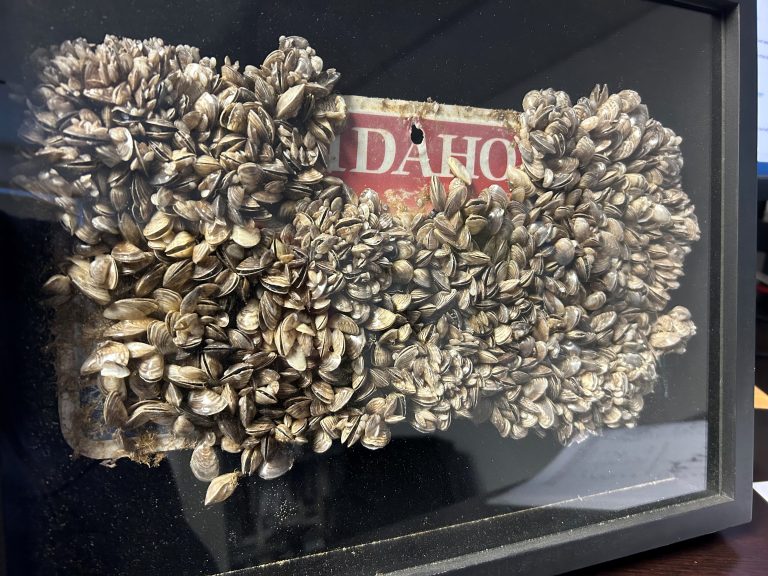
Quagga mussels attached to an Idaho license plate after a single boating season's immersion in Lake Mead, NV.

OUR GEM: Hygiene, it’s not just for people…

Author: Ben Scofield, Coeur d’Alene Tribe Water Resource Specialist In all seriousness watercraft hygiene is an important subject in these days of increasing pressure upon our shared waterways. The Idaho State Department of Agriculture which operates watercraft inspections stations throughout the state recorded about 125,416 inspections in 2025. Each of these watercraft trips represent an opportunity for an aquatic invasive species (AIS) to jump from an infested waterbody to an un-infested one. With the detection of quagga mussel in the…
OUR GEM: Taking Public Comments Regarding Wetland Protection Rule Changes

OUR GEM: Taking Public Comments Regarding Wetland Protection Rule Changes

by Sharon Bosley, Executive Director for the Basin Environmental Improvement Project Commission The Clean Water Act (CWA) was created to protect our water resources by regulating discharge of pollutants into the waters of the United States. Its goal is to help ensure all waters are swimmable, fishable and drinkable. The purpose of defining the Waters of the United States (WOTUS) is to determine which waterways are protected under the CWA. The definition determines which waters require permits for activities that…

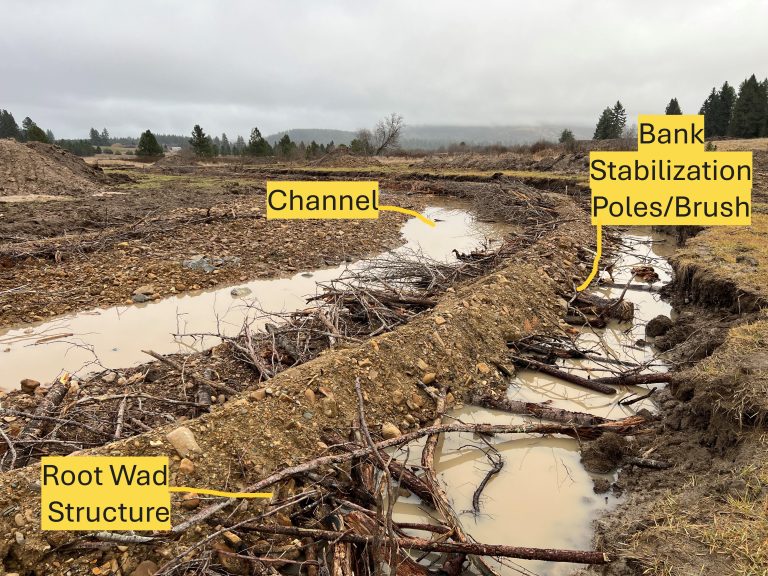
New Channel Hangman Creek

OUR GEM: k’wne’ ‘ulchiyark’wmtsut – Fisheries Restoration Connecting Two Restored Reaches

By Bruce Kinkead, Fisheries Biologist, Coeur d’Alene Tribe The Hangman Creek Fisheries Restoration Project began in 2002 and is funded by Bonneville Power Administration under the Fish Substitution Policy to compensate for lost salmon harvesting. Early research found the limiting factors to be lack of connection between channel and floodplain, lack of large woody debris (LWD), excess fine sediments, and high stream temperatures associated with a lack of tree canopy. Initial work on Hangman Creek below the Sanders townsite began…

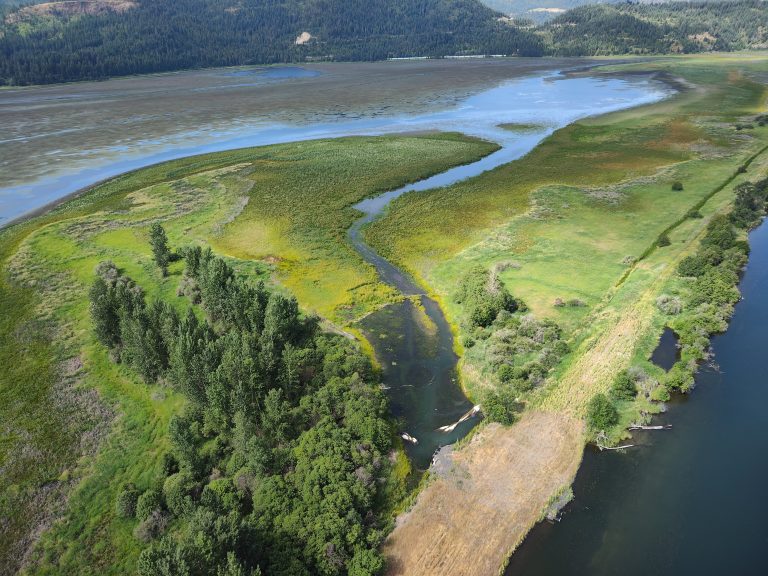
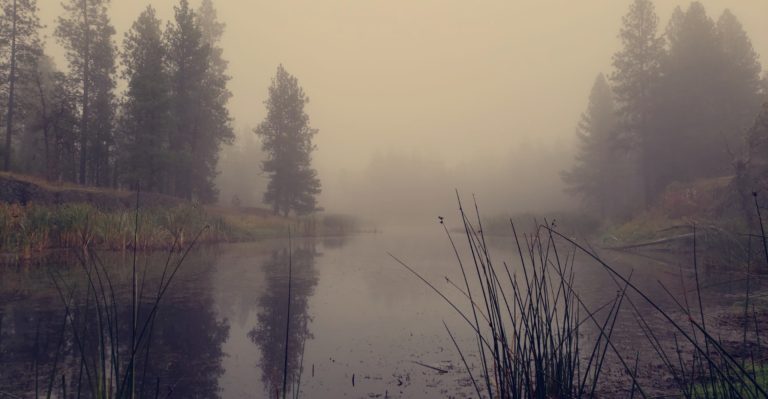
Hepton Lake After Wetland Restoration

OUR GEM: Restoration Project Turns Back the Clock at Hepton Lake

By Angelo Vitale, Fisheries Division Manager Last year, the Coeur d’Alene Tribe wrapped up construction work on one of its most ambitious projects to date and something that has been in the works for more than a decade. The Snyihms he mulshu’lmkhw (Swimmer’s Landing among the Cottonwoods) Project is located adjacent to the lower St. Joe River a few miles west of St. Maries, Idaho. During the pre-settlement era, the site was a floodplain marsh and wet meadow and was…

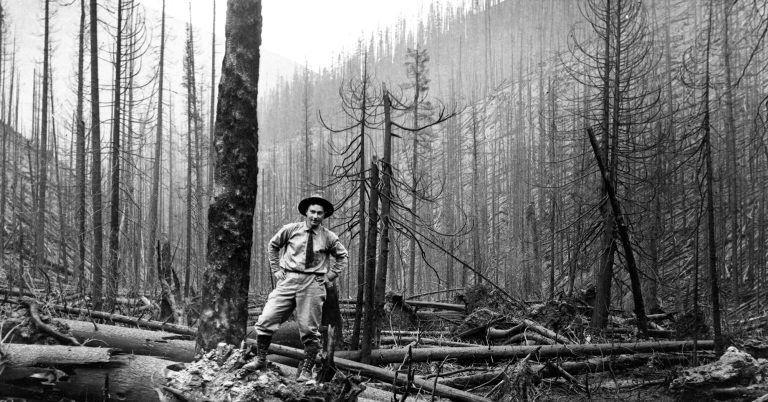
The Big Burn of 1910 Ranger

OUR GEM Ashes in the Current: The Hidden Hydrologic Legacy of the 1910 Fire

By Mark Getscher, hydrogeologist for the Coeur d’Alene Tribe More than a century after “The Big Burn” of 1910 scorched over three million acres across northern Idaho and western Montana, its legacy continues to flow through the streams and rivers of the Coeur d’Alene Basin. While most remember the fire for its devastation and heroism, far fewer realize its silent and lingering impact on water quality. High-intensity wildfires combust vegetation and organic soil layers, converting them into ash. This ash is…

Marina Steiner, a graduate student in the M.S. Water Resources, Science and Management program is photographed at the TerraGraphics International Foundation office in Moscow, ID March 5, 2025. For her research project, she is partnering with TerraGraphics International Foundation (TIFO) to address drinking water contamination in Karakalpakstan, Uzbekistan.

U Of I Soil and water systems graduate student travels to Uzbekistan to help determine scope of water quality issues

Marina Steiner, a graduate student with Greg Moller in the Soil and Water Systems Department, travels to Uzbekistan to help determine scope of water quality issues, read more.

Amin Mirkouei with team

U of I Researchers Design Biochar-based Water Treatment System

A University of Idaho team, led by Professor Amin Mirkouei and supported by two recently graduated doctorate students, Rance Bare and Ethan Struhs, collaborated with the USDA Agricultural Research Service (Ken Overturf), U of I Aquaculture Research Institute (Brian Small) and the National High Magnetic Field Laboratory (Martha Chacón-Patiño, Amy Mckenna and Huan Chen) to design and custom-build an economical and sustainable water treatment system. This system was specifically developed to remove micronutrients, primarily phosphorus and nitrogen, from the wastewater…

Meetpal Kukal

U of I researcher coins ‘thirstwaves’ as new framework emphasizing prolonged, extreme water stressors

Meetpal Kukal proposed the term “thirstwaves” to describe prolonged periods of agricultural exposure to extreme atmospheric evaporative demand for water. Read more in the University of Idaho news feature or read the paper published March 20.

Mason Bull in the field

BSU Student Analyses Wildfire impacts on Snowpack

Master’s student Mason Bull recently won the Boise State University three-minute thesis competition and placed third at the state competition. Mason was partially funded by a research initiation grant from the Idaho Space Grant Consortium (Idaho NASA EPSCoR). His research is using the Landsat record to classify landscape composition and quantify landcover and vegetation change in one watershed in the Kenai Mountains of south-central Alaska and the Sawtooth Mountains of southwest Idaho. He is finding that places in Idaho that…

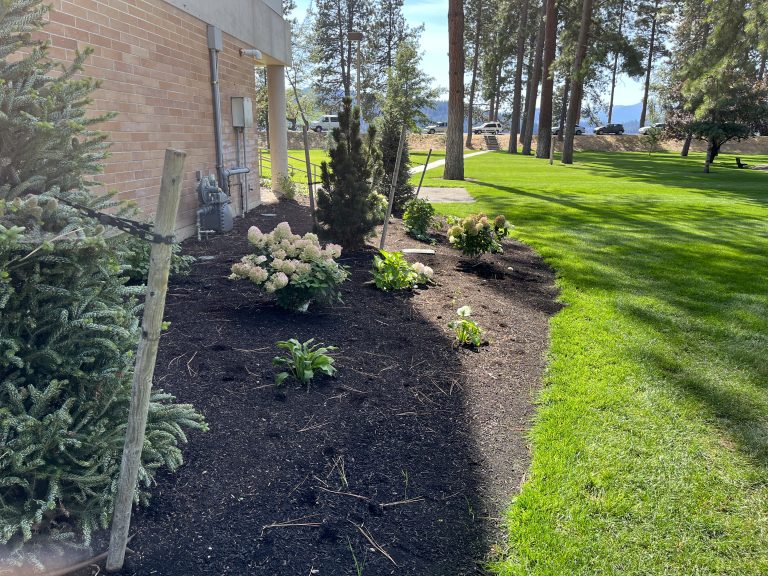
Coeur d'Green Landscaping

OUR GEM: Coeur d’Alene’s Wastewater History

OUR GEM: Coeur d’Alene’s Wastewater History By Mike Anderson, City of Coeur d’Alene Wastewater Utility Director In 1939, the City of Coeur d’Alene began treating its wastewater at a brand-new facility. This plant used secondary treatment, a new level of technology just beginning to be seen in large cities, but almost unheard of in small communities like ours, with a population of barely 10,000. Motivated by a desire to be a good neighbor and environmental stewards, the City was also…