Similar Posts
2025 recipients of the Joseph Jordan IWRRI Student Research Fellowship
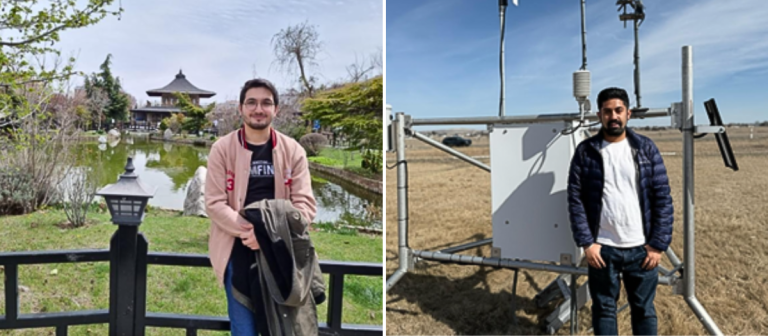
The Idaho Water Resources Research Institute is proud to announce the 2025 recipients of the Joseph Jordan IWRRI Student Research Fellowship, Dinesh Gulati and Turker Anlaroglu. Established by the family of Joseph Jordan, the fellowship provides financial assistance and hands-on experience to University of Idaho students pursuing careers in water resources management. Fellows work directly with agencies, Tribes, nonprofits, and industry partners to address real-world water challenges. This year, both students contributed to a WaterSMART-funded project in collaboration with the…

U Of I Soil and water systems graduate student travels to Uzbekistan to help determine scope of water quality issues
Marina Steiner, a graduate student with Greg Moller in the Soil and Water Systems Department, travels to Uzbekistan to help determine scope of water quality issues, read more.
OUR GEM: Ecosystem Services That Wetlands Provide
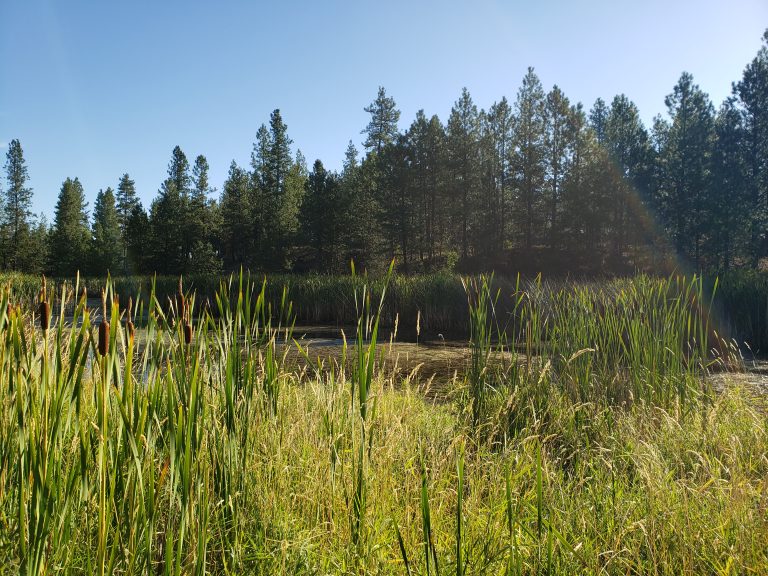
Author, Meg Wolf- Interim Assistant Director/Idaho Water Resources Research Institute, University of Idaho Wetlands refer to the watery transition zones between surface water and dry land. They can be wet year-round or only during certain parts of the year, such as following spring runoff. Essential parts of a wetland include aquatic plants specifically adapted to live in fully saturated environments. In the Inland Northwest, non-tidal wetlands are prevalent, unlike coastal regions that support tidal wetlands. Nature’s Water Filters Wetlands act…
OUR GEM: Restoration Project Turns Back the Clock at Hepton Lake
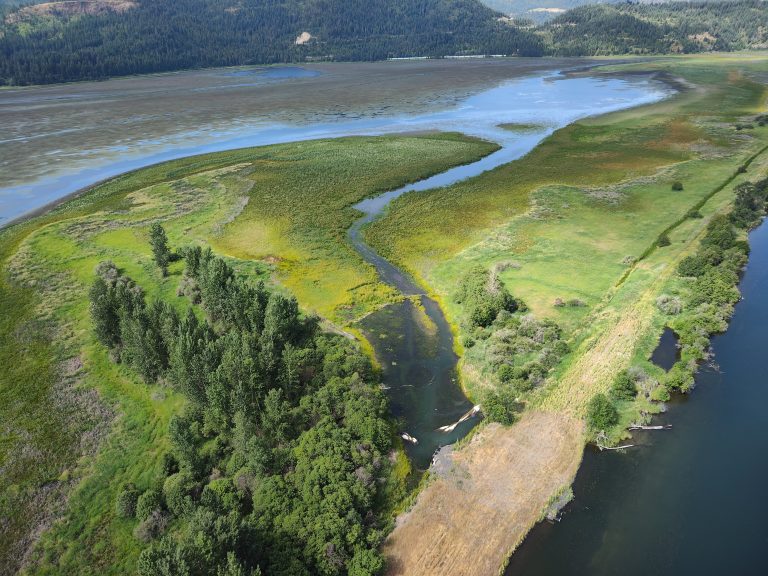
By Angelo Vitale, Fisheries Division Manager Last year, the Coeur d’Alene Tribe wrapped up construction work on one of its most ambitious projects to date and something that has been in the works for more than a decade. The Snyihms he mulshu’lmkhw (Swimmer’s Landing among the Cottonwoods) Project is located adjacent to the lower St. Joe River a few miles west of St. Maries, Idaho. During the pre-settlement era, the site was a floodplain marsh and wet meadow and was…
What do you value and why?
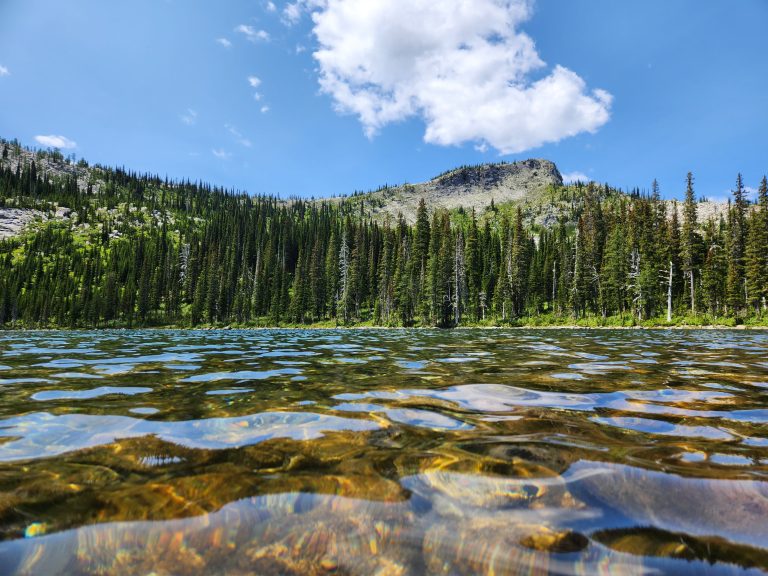
The following reflection was written and delivered by Post Falls resident, Jamie Esler, as part of Boise State University’s “Idaho Listens” event held at the Hagadone Event Center this past October. To learn more about Idaho Listens, or to watch all of the local speakers from the Coeur d’Alene Event, visit https://www.boisestate.edu/americanvalues/idaho-listens/ What do you value and why? The two of us sat on the ground within a few feet of each other but the berries were so thick we…
Coeur d’Alene Basin Bull Trout
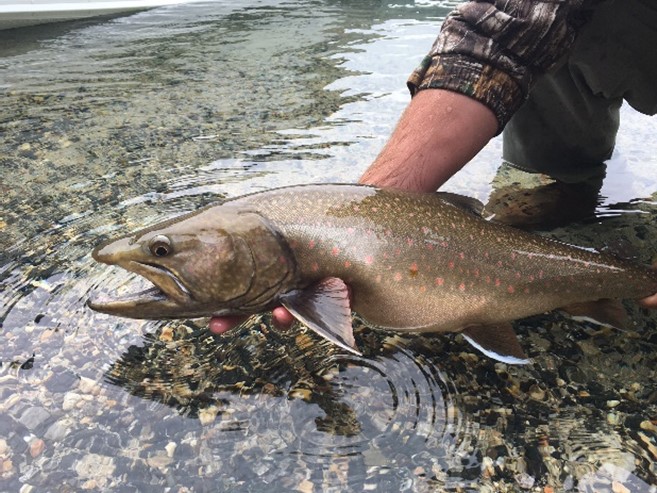
This story was written by Graham Freeman on behalf of the Our Gem Collaborative team for the CDA Press on Sunday, April 23, 2023. Read the original article. The Idaho Governor’s Office of Species Conservation (OSC) is dedicated to planning, coordinating and implementing the State’s actions to preserve, protect and restore species listed as candidate, threatened or endangered under the federal Endangered Species Act (ESA). This work is done in coordination with the State’s natural resource agencies and with input from…