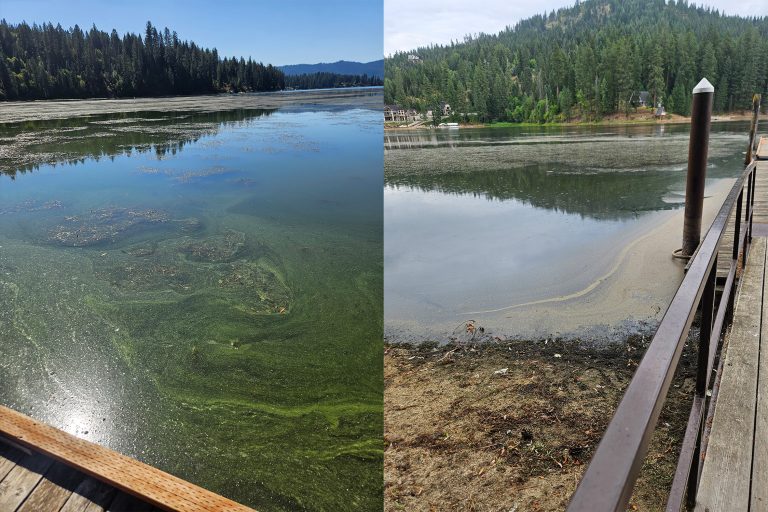
Harmful Algal Bloom Examples

OUR GEM: Harmful Algal Blooms in Idaho, What You Need to Know Before You Hit the Water

Freshwater algae are a natural part of lakes, rivers, and streams. They produce oxygen, absorb nutrients, and support the entire aquatic food web. But when algae grow out of control, they can turn our favorite recreation spots into smelly, discolored, or even hazardous places. Some of these blooms (not all of them) are caused by cyanobacteria often called blue‑green algae which can sometimes produce toxins harmful to people, pets, and wildlife. These events are known as harmful algal blooms (HABs)….
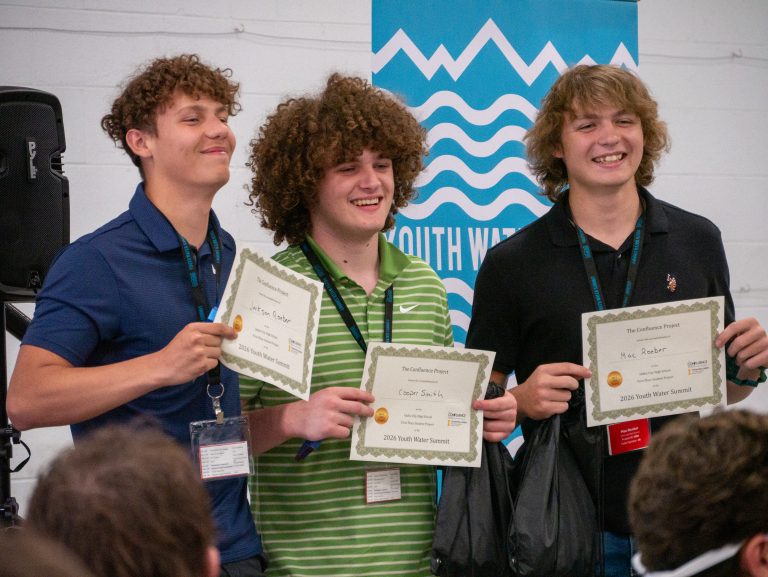
First place YWS students hold certificates.

Southern Idaho Youth Water Summit Recognizes 2026 Student Leaders

Boise, Idaho — June 8, 2026— The University of Idaho’s Idaho Water Resources Research Institute (IWRRI) is proud to recognize the winners of the 2026 Youth Water Summit in southern Idaho. This inaugural event brought together more than 160 high school students to study local water issues through hands-on research, problem-solving, and public presentation.  Held May 5, 2026, at Expo Idaho, the event welcomed students from a wide range of school settings, backgrounds, and experience levels. For that reason, winners…

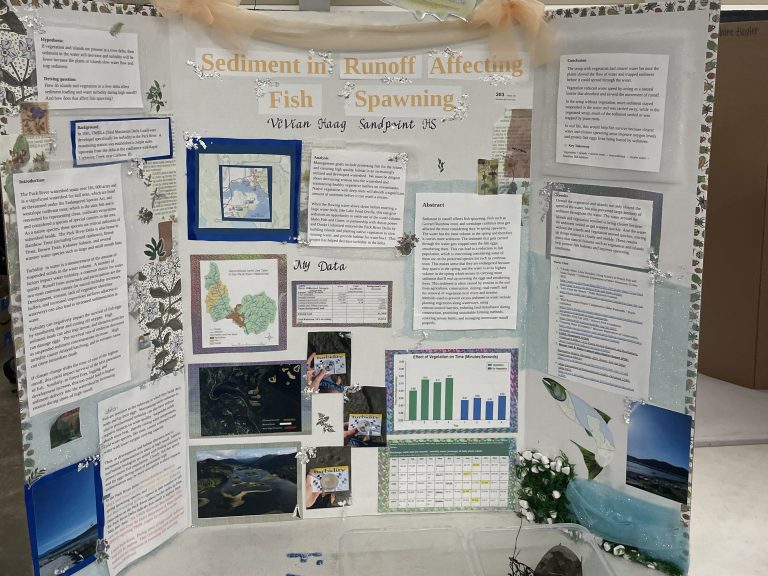
Sandpoint High School winning presentation.

North Idaho Youth Water Summit Recognizes 2026 Student Leaders

COEUR D’ALENE, Idaho — June 8, 2026— The University of Idaho Coeur d’Alene’s Idaho Water Resources Research Institute (IWRRI) is proud to recognize the North Idaho winners of the 2026 Youth Water Summit. This annual event empowers high school students to investigate and address real-world water issues in their communities through hands-on research, innovation, and public presentation. Held May 19, 2026, at Kootenai County Fairgrounds, the Summit brought together three hundred high school students from across North Idaho. The event…

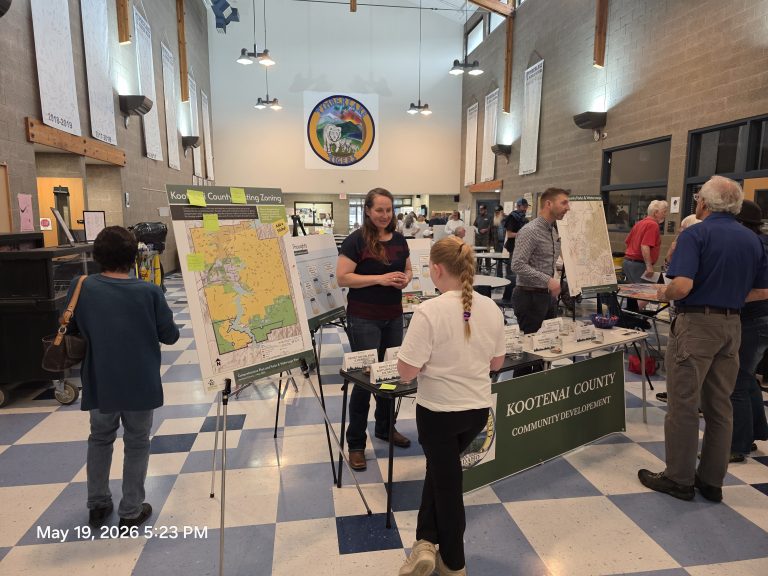
OUR GEM: Help Shape the Future of Kootenai County

OUR GEM: Help Shape the Future of Kootenai County

By Mike Behary, Director of Community Development Kootenai County is inviting residents to help shape the future of their community by participating in the update of the County’s Comprehensive Plan and the development of the County’s first-ever Parks & Waterways Plan. These long-range planning efforts will help guide growth, recreation, infrastructure, land use, transportation, housing, and economic development decisions over the next 20 years.  Most importantly, the plans are being built with public input at the center of the process….

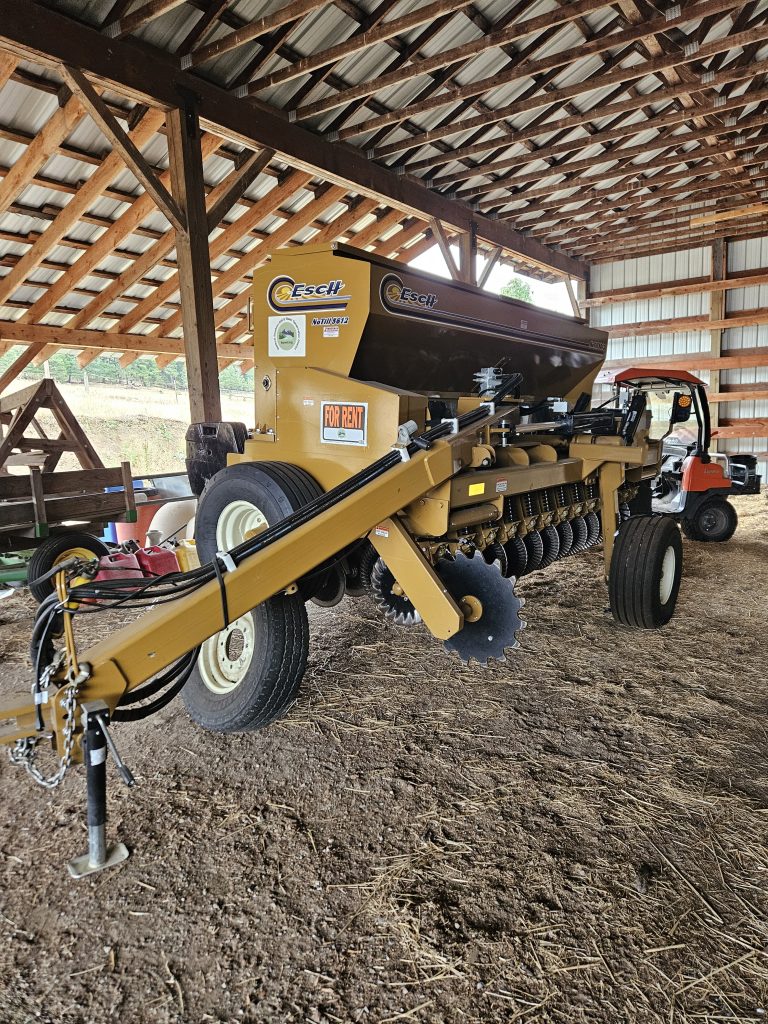
Rentable no-till drill

OUR GEM: Protecting Coeur d’Alene Lake, Local Efforts Target Nonpoint Source Pollution

By Jade Clinkenbeard, Watershed Analyst for the Idaho Department of Environmental Quality Nonpoint source (NPS) pollution is one of the biggest ongoing threats to water quality in North Idaho, especially in the Coeur d’Alene Lake watershed. Unlike pollution that comes from a single pipe or discharge, NPS pollution is spread out across the landscape. It happens when rain or melting snow flows over land, picking up contaminants from roads, farms, forests, and neighborhoods before carrying them into nearby streams and…

OUR GEM: Tracking Phosphorus in Lake Tributaries to Protect Coeur d’Alene Lake

OUR GEM: Tracking Phosphorus in Lake Tributaries to Protect Coeur d’Alene Lake

By Sharon Bosley, Executive Director for the Basin Environmental Improvement Project Commission Understanding how phosphorus enters and moves through Coeur d’Alene Lake is critical to protecting water quality and managing long-term environmental risks. According to Craig Cooper of the Idaho Department of Environmental Quality (DEQ), phosphorus plays a key role in influencing metal mobility in the lake. While nutrients like phosphorus support algae growth, the decomposition of that algae can reduce oxygen levels and pH in deeper waters, conditions that…

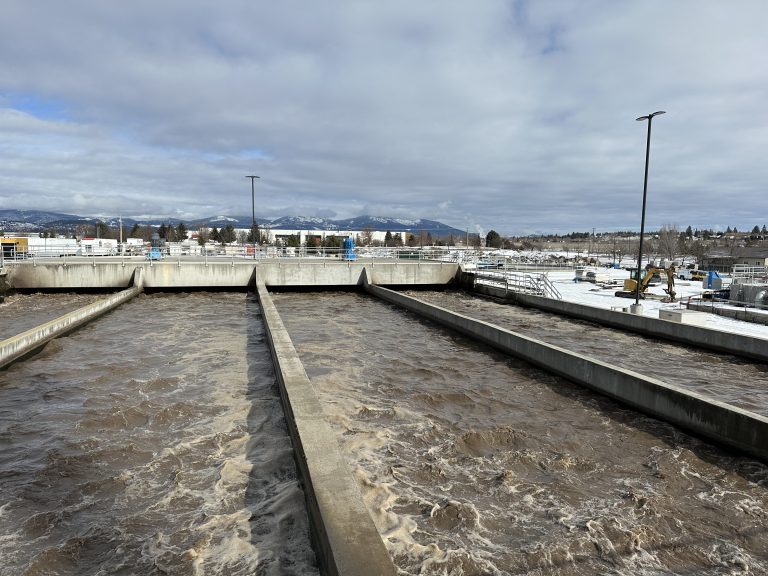
City of Post Falls Aeration Basin

OUR GEM: What We Flush Matters, Protecting the Spokane River Together

By Alyssa Gersdorf, Environmental Program Supervisor for the City of Post Falls Every day in Post Falls and Rathdrum, about 3 million gallons of wastewater leave homes and businesses and begin a journey most people never think about. Whether it’s flushed, washed from showers, or sent down sink drains, everything entering the sewer system follows the same path, and not all of it behaves as expected. It all flows to the Post Falls Water Reclamation Facility (WRF), where the water…

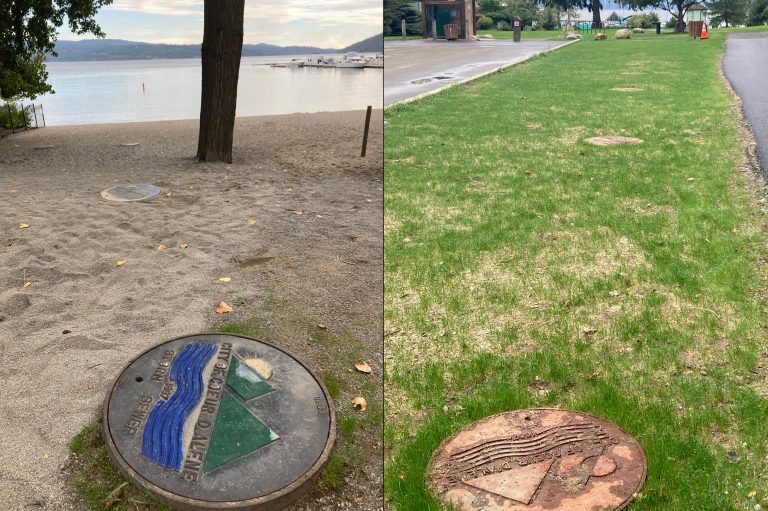
Sanders Beach Storm Drain

OUR GEM: Keeping Our Waters Clean, How Coeur d’Alene Protects Our Lake

By Sharon Bosley, Executive Director for the Basin Environmental Improvement Project Commission This recent weather pattern of moisture is great for rebuilding groundwater supplies, but it can be tough on local surface waters. Water flows over driveways, parking lots, and roads, gathering oil, fertilizer, and other pollutants before entering nearby storm drains.  Many people assume that from there stormwater heads to a treatment plant, but it doesn’t. Most storm drains connect directly to our creeks, rivers, and Coeur d’Alene Lake…

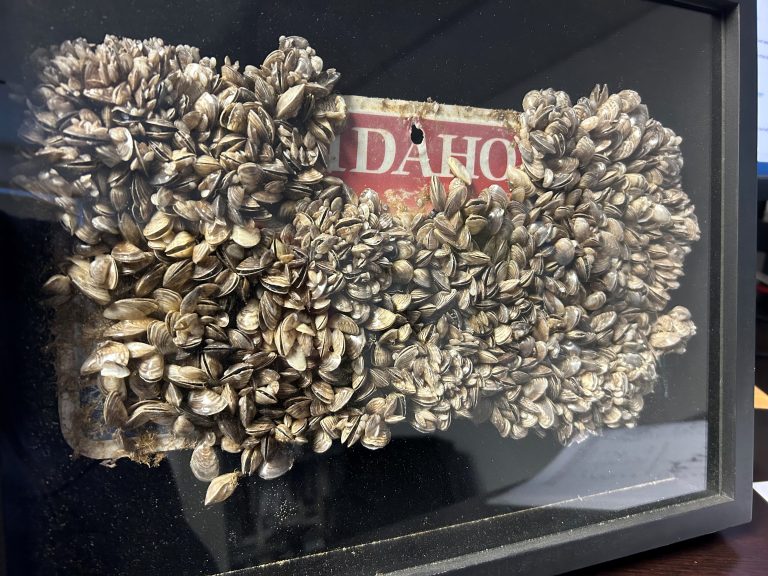
Quagga mussels attached to an Idaho license plate after a single boating season's immersion in Lake Mead, NV.

OUR GEM: Hygiene, it’s not just for people…

Author: Ben Scofield, Coeur d’Alene Tribe Water Resource Specialist In all seriousness watercraft hygiene is an important subject in these days of increasing pressure upon our shared waterways. The Idaho State Department of Agriculture which operates watercraft inspections stations throughout the state recorded about 125,416 inspections in 2025. Each of these watercraft trips represent an opportunity for an aquatic invasive species (AIS) to jump from an infested waterbody to an un-infested one. With the detection of quagga mussel in the…

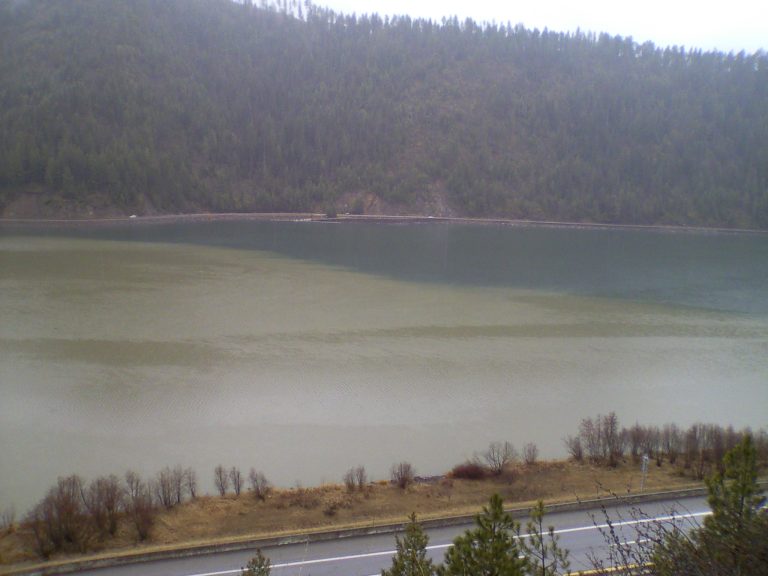
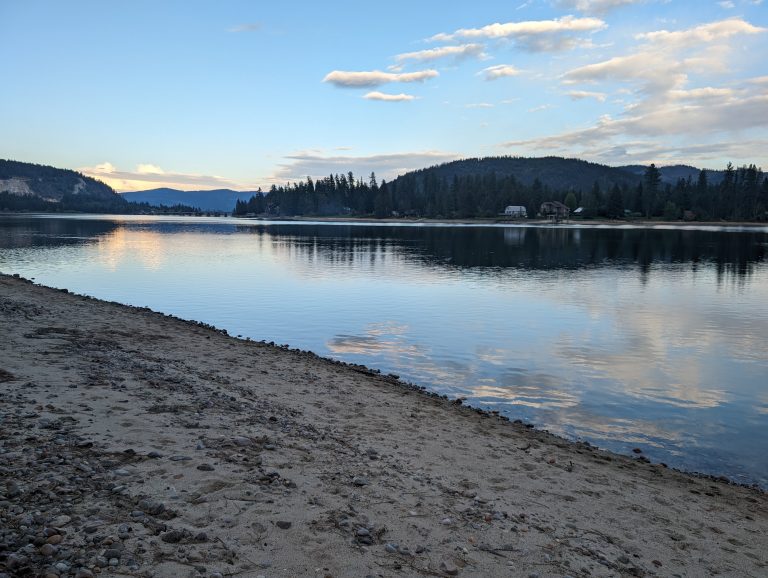
View of Pend Orielle River between Dover and Laclede.

OUR GEM: IWRRI funds strategic Idaho water research

New investments support collaborative science across Idaho’s public universities to improve water data, quality and long-term resource management statewide The Idaho Water Resources Research Institute (IWRRI) has prioritized and is backing several research projects involving the state’s three public research universities to address Idaho’s pressing water challenges. Established in 1964, IWRRI is one of 54 U.S. water research and technology centers, conducting and directing research to support the water resource needs of the state and entire Northwestern U.S. In fall…