By Jade Clinkenbeard, Watershed Analyst for the Idaho Department of Environmental Quality
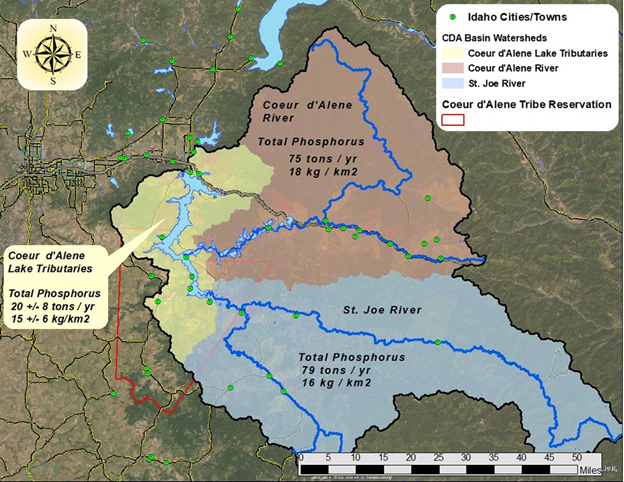
Nonpoint source (NPS) pollution is one of the biggest ongoing threats to water quality in North Idaho, especially in the Coeur d’Alene Lake watershed. Unlike pollution that comes from a single pipe or discharge, NPS pollution is spread out across the landscape. It happens when rain or melting snow flows over land, picking up contaminants from roads, farms, forests, and neighborhoods before carrying them into nearby streams and rivers, eventually into Coeur d’Alene Lake.
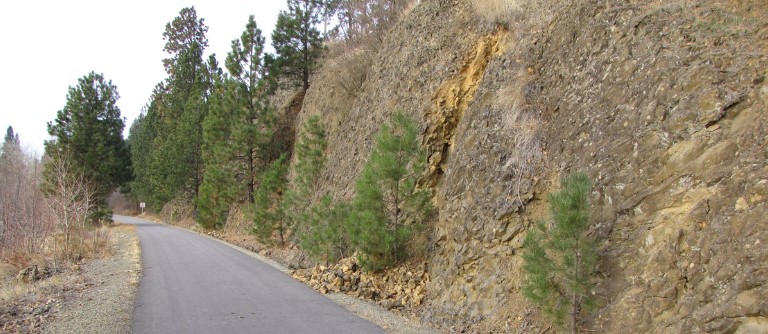
As North Idaho continues to grow, the strain on local waterways is increasing. Several everyday activities contribute to NPS pollution. In urban areas, rainwater runoff can carry oil, heavy metals, and other pollutants from roads and parking lots. On agricultural lands, fertilizers, pesticides, and soil can wash into waterways, along with nutrients from livestock. Forestry and logging operations can disturb soil and increase erosion, sending sediment downstream. Heavy metal contamination in the region stems largely from historic mining, with legacy waste materials continuing to release pollutants into the environment decades after operations ended. Residential development also plays a role, with impacts from failing septic systems, shoreline changes, pet waste left behind, and construction-related erosion.
All these pollutants can have serious effects. Too many nutrients in the water can lead to harmful algal blooms, which can be dangerous for people, pets, and wildlife. Excess sediment (which also carries pollutants such as nutrients and metals) can cloud the water and bury fish spawning areas. Heavy metals and bacteria can threaten both ecosystem health and human safety. Because Coeur d’Alene Lake is such an important resource for recreation, wildlife, and the local economy, protecting its water quality is critical.
Addressing NPS pollution takes teamwork. State and tribal agencies, conservation districts, and local organizations work together using tools like watershed management plans, lake management plans, and Total Maximum Daily Loads (TMDLs). TMDLs act like pollution “budgets,” setting limits on how much of a pollutant a waterbody can handle while still staying healthy. These plans help identify where cleanup and prevention efforts are most needed.
A major focus is reducing NPS at its source through Best Management Practices (BMPs). These are practical, proven methods that help keep soil and pollutants on the land and out of the water. Some example BMPs include growing cover crops; using fertilizers efficiently; improving roads and road drainage; using rain gardens, permeable pavement, and stormwater ponds to help absorb and filter runoff; maintaining septic systems; planting native vegetation and protecting vegetation along streambanks and shorelines.
Funding is an important part of making these efforts possible. The Environmental Protection Agency’s Clean Water Act Section 319 program provides grants for local restoration projects. In Idaho, (except where managed by Tribal governments) these funds are managed by the Idaho Department of Environmental Quality, which works with communities to carry out projects such as stabilizing stream banks, fencing livestock away from waterways, and planting vegetation along streams.
One successful local example is the No-Till Drill Project led by the Kootenai-Shoshone Soil and Water Conservation District. This program supports farmers by renting out a no-till drill, a piece of equipment that allows crops to be planted without disturbing the soil. No-till farming is a proven way to reduce erosion, improve soil health, and keep nutrients from washing into nearby waterways. This practice is especially helpful in areas with highly erosive soils and in areas with steeper slopes.
The program makes the equipment affordable and accessible. Farmers can rent the drill for $60 per day and $10 per acre, with a discounted rate for large operations. In addition to protecting water quality, no-till farming can also save farmers money – about $100 per acre in fuel and labor costs. Many farmers also use the drill to plant cover crops, which protect the soil during the off-season and can provide additional grazing for livestock.
So far, more than 850 acres have been planted using the no-till drill since 2024, showing how local, practical solutions can make a real difference. Programs like this highlight the importance of partnerships between landowners, conservation groups, and government agencies in tackling NPS pollution. For more information about renting this piece of equipment you can visit the conservations district’s website ksswcd.org.
Looking ahead, protecting Coeur d’Alene Lake will require continued cooperation from everyone in the region. As the population grows, so does the need for thoughtful land use and water protection. The good news is that many solutions already exist, and they are working. By using BMPs and taking advantage of opportunities like the Section 319 Nonpoint Source Program, communities can reduce pollution while supporting agriculture, recreation, and a strong local economy.
Protecting water quality is a shared responsibility and small actions across the landscape can add up to a big impact for Coeur d’Alene Lake and future generations. The current NPS 319 grant application period runs from April 20 to July 17, 2026. Landowners, organizations, and local governments interested in funding opportunities can learn more through the Idaho Department of Environmental Quality: https://www.deq.idaho.gov/funding/nonpoint-source-subgrants-in-idaho/.