A University of Idaho team, led by Professor Amin Mirkouei and supported by two recently graduated doctorate students, Rance Bare and Ethan Struhs, collaborated with the USDA Agricultural Research Service (Ken Overturf), U of I Aquaculture Research Institute (Brian Small) and the National High Magnetic Field Laboratory (Martha Chacón-Patiño, Amy Mckenna and Huan Chen) to design and custom-build an economical and sustainable water treatment system. This system was specifically developed to remove micronutrients, primarily phosphorus and nitrogen, from the wastewater of fish farms in southern Idaho (Magic Valley region). Through a series of laboratory and field studies, the team tested several unmodified and modified biochar-based water treatment systems. Their findings demonstrated that magnesium (Mg)-modified biochar, made from pinewood, effectively sequestered higher amounts of nitrogen and phosphorus over time. For more information, please check out the latest published articles at www.mdpi.com/2227-9717/11/10/2883 and www.mdpi.com/2227-9717/11/4/1029.
Similar Posts
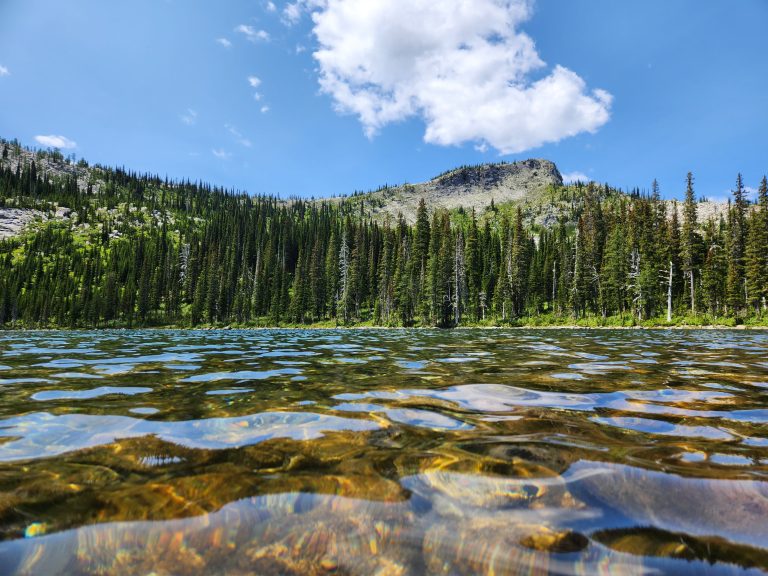
What do you value and why?
The following reflection was written and delivered by Post Falls resident, Jamie Esler, as part of Boise State University’s “Idaho Listens” event held at the Hagadone Event Center this past October. To learn more about Idaho Listens, or to watch all of the local speakers from the Coeur d’Alene Event, visit https://www.boisestate.edu/americanvalues/idaho-listens/ What do you value and why? The two of us sat on the ground within a few feet of each other but the berries were so thick we…
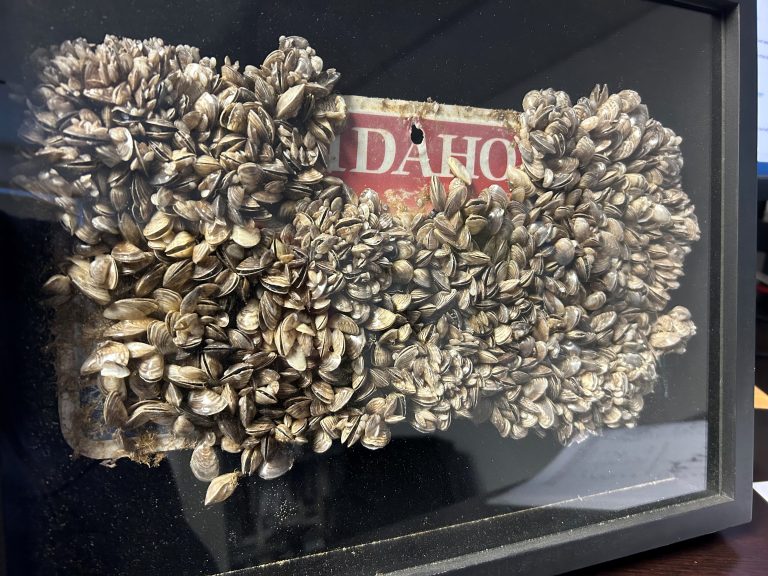
OUR GEM: Hygiene, it’s not just for people…
Author: Ben Scofield, Coeur d’Alene Tribe Water Resource Specialist In all seriousness watercraft hygiene is an important subject in these days of increasing pressure upon our shared waterways. The Idaho State Department of Agriculture which operates watercraft inspections stations throughout the state recorded about 125,416 inspections in 2025. Each of these watercraft trips represent an opportunity for an aquatic invasive species (AIS) to jump from an infested waterbody to an un-infested one. With the detection of quagga mussel in the…
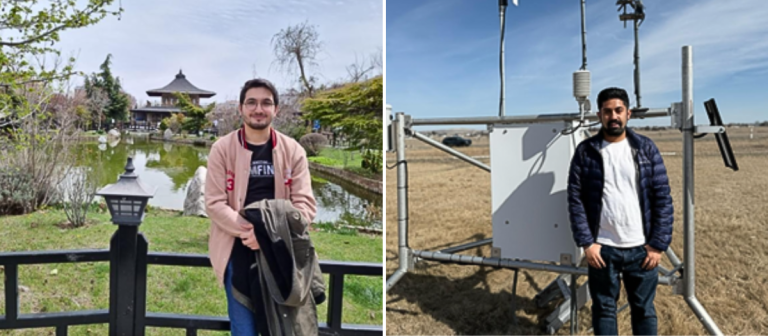
2025 recipients of the Joseph Jordan IWRRI Student Research Fellowship
The Idaho Water Resources Research Institute is proud to announce the 2025 recipients of the Joseph Jordan IWRRI Student Research Fellowship, Dinesh Gulati and Turker Anlaroglu. Established by the family of Joseph Jordan, the fellowship provides financial assistance and hands-on experience to University of Idaho students pursuing careers in water resources management. Fellows work directly with agencies, Tribes, nonprofits, and industry partners to address real-world water challenges. This year, both students contributed to a WaterSMART-funded project in collaboration with the…

BSU Team Develop New Approaches to Estimating Contributions to Streamflow
Boise State University faculty Anna Bergstrom and her team investigated rain and snowmelt contributions to streamflow in the Mores Creek Watershed spanning the rain-snow transition zone in southwestern Idaho. Researchers commonly use naturally occurring water isotopes to track water sources allowing for the quantification of if streams are sourced from rain or snow. By developing new approaches to define rain and snow isotopic signatures, Bergstrom and team found that streamflow contribution estimates can vary by up to 20%, depending on…
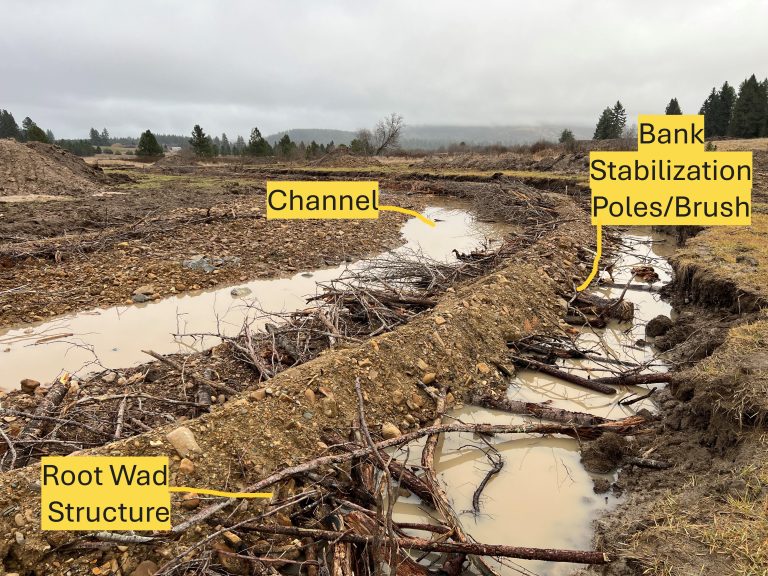
OUR GEM: k’wne’ ‘ulchiyark’wmtsut – Fisheries Restoration Connecting Two Restored Reaches
By Bruce Kinkead, Fisheries Biologist, Coeur d’Alene Tribe The Hangman Creek Fisheries Restoration Project began in 2002 and is funded by Bonneville Power Administration under the Fish Substitution Policy to compensate for lost salmon harvesting. Early research found the limiting factors to be lack of connection between channel and floodplain, lack of large woody debris (LWD), excess fine sediments, and high stream temperatures associated with a lack of tree canopy. Initial work on Hangman Creek below the Sanders townsite began…
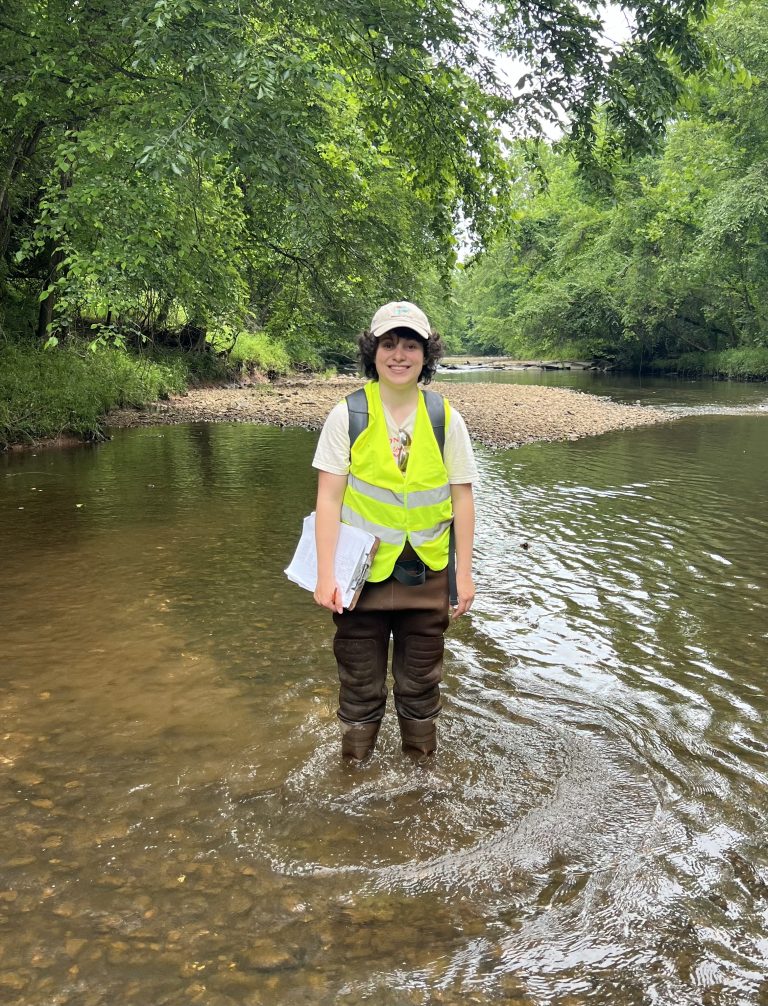
2026 Joseph Jordan Fellowship Winner
The Idaho Water Resources Research Institute is proud to announce the 2026 recipient of the Joseph Jordan IWRRI Student Research Fellowship, Savannah Domenech. Established by the family of Joseph Jordan, the fellowship provides financial assistance and hands-on experience to University of Idaho students pursuing careers in water resources management. Fellows work directly with agencies, Tribes, nonprofits, and industry partners to address real-world water challenges. Savannah is working with a team whose research collaborates with the Idaho Department of Environmental Quality (IDEQ)…