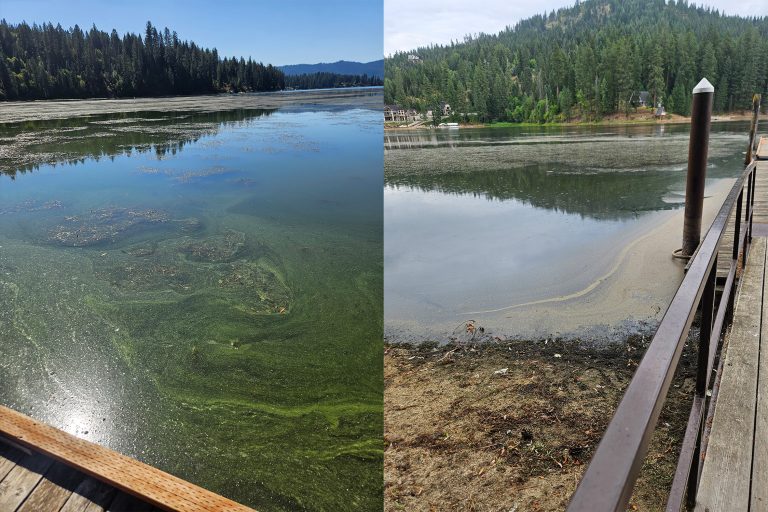

Harmful Algal Bloom Examples

OUR GEM: Harmful Algal Blooms in Idaho, What You Need to Know Before You Hit the Water

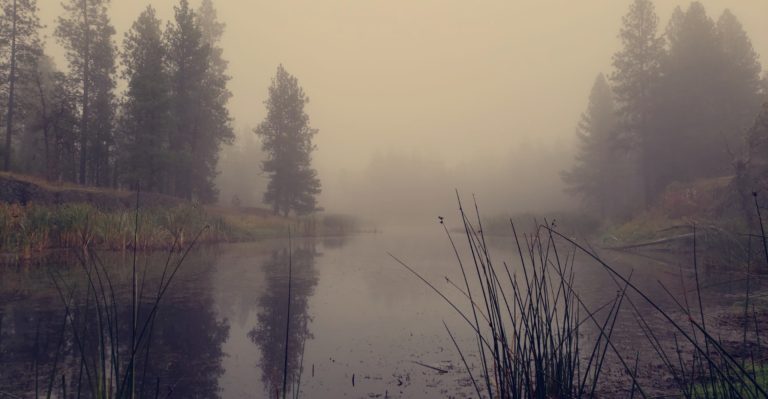
Freshwater algae are a natural part of lakes, rivers, and streams. They produce oxygen, absorb nutrients, and support the entire aquatic food web. But when algae grow out of control, they can turn our favorite recreation spots into smelly, discolored, or even hazardous places. Some of these blooms (not all of them) are caused by cyanobacteria often called blue‑green algae which can sometimes produce toxins harmful to people, pets, and wildlife. These events are known as harmful algal blooms (HABs)….

Rentable no-till drill

OUR GEM: Protecting Coeur d’Alene Lake, Local Efforts Target Nonpoint Source Pollution

By Jade Clinkenbeard, Watershed Analyst for the Idaho Department of Environmental Quality Nonpoint source (NPS) pollution is one of the biggest ongoing threats to water quality in North Idaho, especially in the Coeur d’Alene Lake watershed. Unlike pollution that comes from a single pipe or discharge, NPS pollution is spread out across the landscape. It happens when rain or melting snow flows over land, picking up contaminants from roads, farms, forests, and neighborhoods before carrying them into nearby streams and…

OUR GEM: Tracking Phosphorus in Lake Tributaries to Protect Coeur d’Alene Lake

OUR GEM: Tracking Phosphorus in Lake Tributaries to Protect Coeur d’Alene Lake

By Sharon Bosley, Executive Director for the Basin Environmental Improvement Project Commission Understanding how phosphorus enters and moves through Coeur d’Alene Lake is critical to protecting water quality and managing long-term environmental risks. According to Craig Cooper of the Idaho Department of Environmental Quality (DEQ), phosphorus plays a key role in influencing metal mobility in the lake. While nutrients like phosphorus support algae growth, the decomposition of that algae can reduce oxygen levels and pH in deeper waters, conditions that…

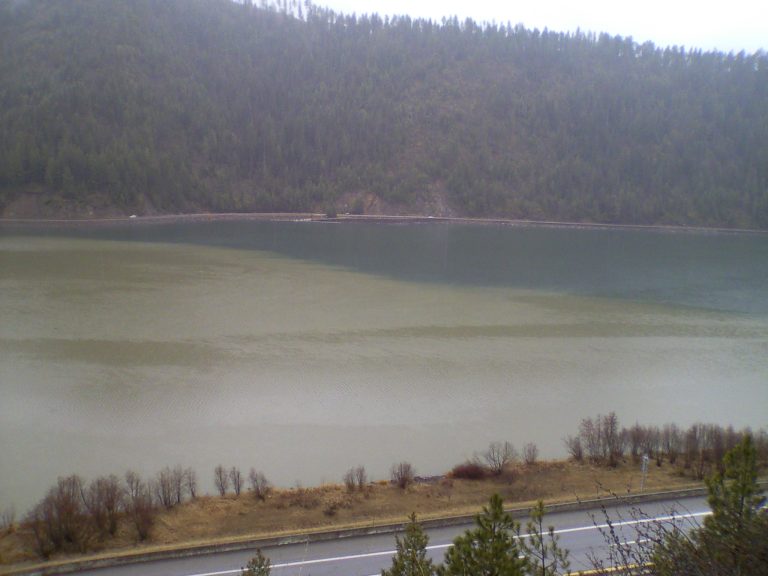
View of Pend Orielle River between Dover and Laclede.

OUR GEM: IWRRI funds strategic Idaho water research

New investments support collaborative science across Idaho’s public universities to improve water data, quality and long-term resource management statewide The Idaho Water Resources Research Institute (IWRRI) has prioritized and is backing several research projects involving the state’s three public research universities to address Idaho’s pressing water challenges. Established in 1964, IWRRI is one of 54 U.S. water research and technology centers, conducting and directing research to support the water resource needs of the state and entire Northwestern U.S. In fall…

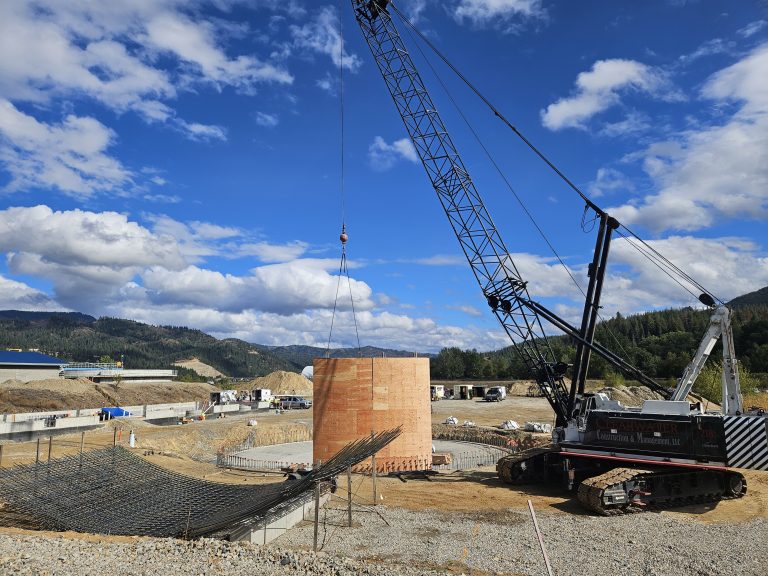
Page Wastewater Treatment Plant SCC

OUR GEM: From Drain to River, How a Local Treatment Plant Is Improving Water Quality

By Pilar Deniston, Coeur d’Alene Lake ARPA Project Coordinator for Idaho DEQ When water from your home, whether from the toilet, sinks, or shower goes down the drain, it travels through a network of pipes to a wastewater treatment facility (unless you’re on a private septic system). There, it undergoes a series of treatment steps to become clean enough to return safely to the natural environment. The process begins with pretreatment, where large debris like sticks and plastic, along with…

OUR GEM: Taking Public Comments Regarding Wetland Protection Rule Changes

OUR GEM: Taking Public Comments Regarding Wetland Protection Rule Changes

by Sharon Bosley, Executive Director for the Basin Environmental Improvement Project Commission The Clean Water Act (CWA) was created to protect our water resources by regulating discharge of pollutants into the waters of the United States. Its goal is to help ensure all waters are swimmable, fishable and drinkable. The purpose of defining the Waters of the United States (WOTUS) is to determine which waterways are protected under the CWA. The definition determines which waters require permits for activities that…

OUR GEM: Northwest Environmental Business Council highlights the Health and Future of Coeur d’Alene Lake

OUR GEM: Northwest Environmental Business Council highlights the Health and Future of Coeur d’Alene Lake

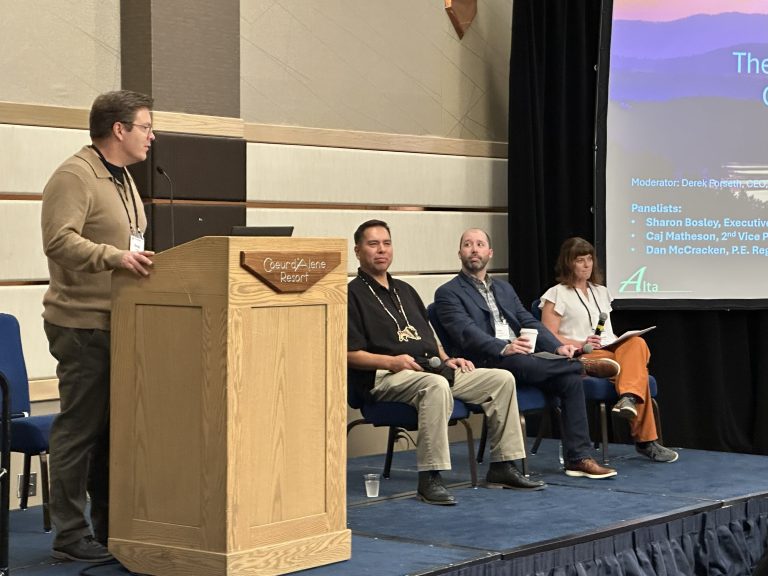
“What if this is as good as it gets for Coeur d’Alene Lake?” Derek Forseth asked as he introduced the panel at the Environmental Symposium, hosted by the Northwest Environmental Business Council on November 6, 2025. The panel session, A Case Study: The Health and Future of Lake Coeur d’Alene, presented Coeur d’Alene Lake as the poster child of the symposium, which was themed, Inland Northwest; Water Under Pressure. Panelists included Caj Matheson, Director of the Coeur d’Alene Tribe’s Natural…

OUR GEM: Local Students Find Excitement with Hands-On Science

OUR GEM: Local Students Find Excitement with Hands-On Science

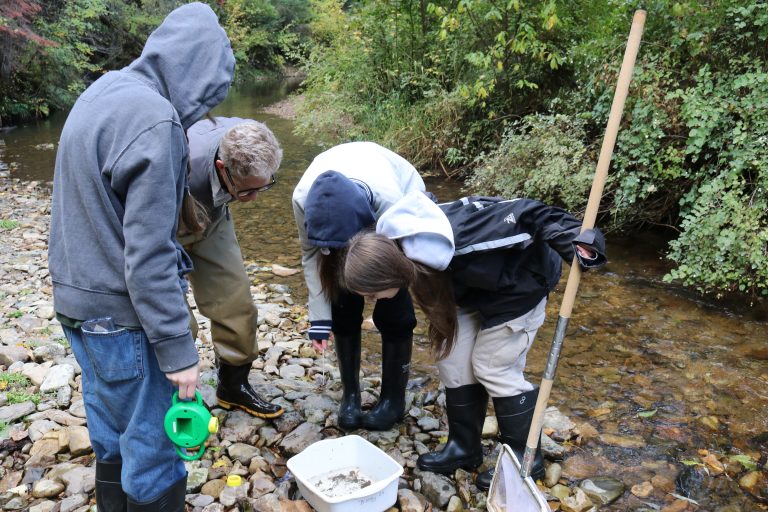
by Woody Wood, IWRRI Education and Outreach Coordinator It’s a cool fall morning, and I’m standing at the intersection of Burnt Cabin and Ohio Match Roads waiting for a bus load of Venture Academy students to arrive. While I wait here with my colleagues, travelers stop and ask why we have dozens of pairs of rubber boots lined up next to our vehicles. We tell them about the incoming students and the work they are about to do, and they…

Hepton Lake After Wetland Restoration

OUR GEM: Restoration Project Turns Back the Clock at Hepton Lake

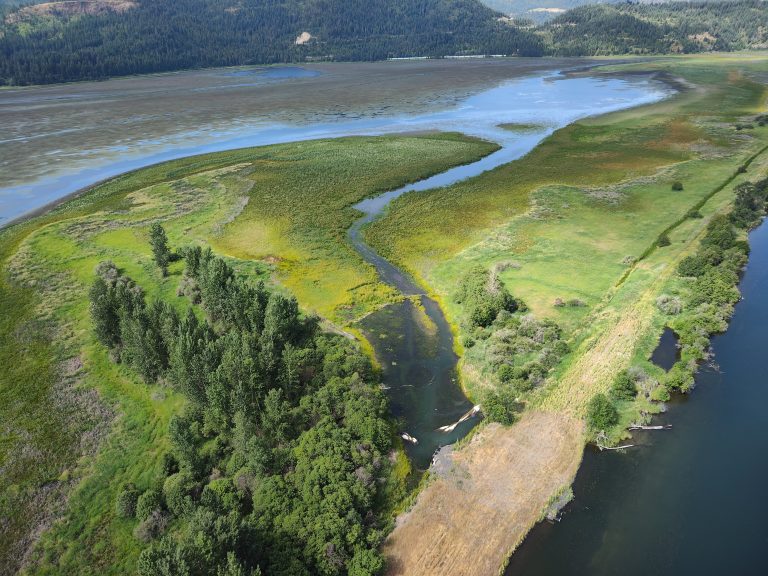
By Angelo Vitale, Fisheries Division Manager Last year, the Coeur d’Alene Tribe wrapped up construction work on one of its most ambitious projects to date and something that has been in the works for more than a decade. The Snyihms he mulshu’lmkhw (Swimmer’s Landing among the Cottonwoods) Project is located adjacent to the lower St. Joe River a few miles west of St. Maries, Idaho. During the pre-settlement era, the site was a floodplain marsh and wet meadow and was…

The Big Burn of 1910 Ranger

OUR GEM Ashes in the Current: The Hidden Hydrologic Legacy of the 1910 Fire

By Mark Getscher, hydrogeologist for the Coeur d’Alene Tribe More than a century after “The Big Burn” of 1910 scorched over three million acres across northern Idaho and western Montana, its legacy continues to flow through the streams and rivers of the Coeur d’Alene Basin. While most remember the fire for its devastation and heroism, far fewer realize its silent and lingering impact on water quality. High-intensity wildfires combust vegetation and organic soil layers, converting them into ash. This ash is…