
Rentable no-till drill

OUR GEM: Protecting Coeur d’Alene Lake, Local Efforts Target Nonpoint Source Pollution

By Jade Clinkenbeard, Watershed Analyst for the Idaho Department of Environmental Quality Nonpoint source (NPS) pollution is one of the biggest ongoing threats to water quality in North Idaho, especially in the Coeur d’Alene Lake watershed. Unlike pollution that comes from a single pipe or discharge, NPS pollution is spread out across the landscape. It happens when rain or melting snow flows over land, picking up contaminants from roads, farms, forests, and neighborhoods before carrying them into nearby streams and…
OUR GEM: Tracking Phosphorus in Lake Tributaries to Protect Coeur d’Alene Lake

OUR GEM: Tracking Phosphorus in Lake Tributaries to Protect Coeur d’Alene Lake

By Sharon Bosley, Executive Director for the Basin Environmental Improvement Project Commission Understanding how phosphorus enters and moves through Coeur d’Alene Lake is critical to protecting water quality and managing long-term environmental risks. According to Craig Cooper of the Idaho Department of Environmental Quality (DEQ), phosphorus plays a key role in influencing metal mobility in the lake. While nutrients like phosphorus support algae growth, the decomposition of that algae can reduce oxygen levels and pH in deeper waters, conditions that…

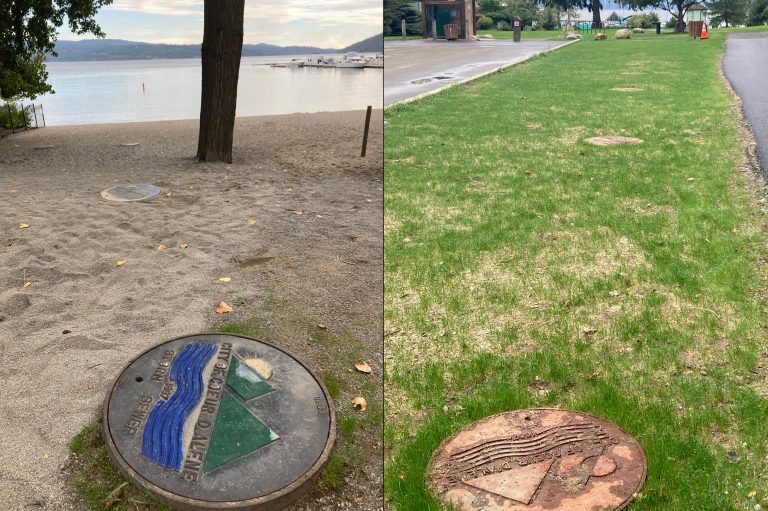
Sanders Beach Storm Drain

OUR GEM: Keeping Our Waters Clean, How Coeur d’Alene Protects Our Lake

By Sharon Bosley, Executive Director for the Basin Environmental Improvement Project Commission This recent weather pattern of moisture is great for rebuilding groundwater supplies, but it can be tough on local surface waters. Water flows over driveways, parking lots, and roads, gathering oil, fertilizer, and other pollutants before entering nearby storm drains.  Many people assume that from there stormwater heads to a treatment plant, but it doesn’t. Most storm drains connect directly to our creeks, rivers, and Coeur d’Alene Lake…

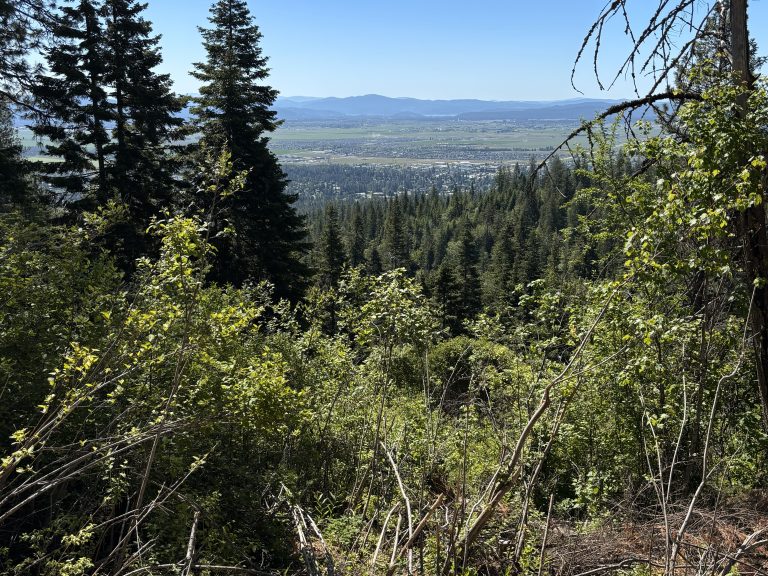
View of Rathdrum Prairie from Rathdrum Mountain

OUR GEM: Understanding Aquifer Protection Through a Practitioner’s Lens

Author, Karla Freeman, Kootenai-Shoshone Soil and Water Conservation District Manager As communities across the Inland Northwest face increasing drought, population growth, and changing hydrologic conditions, discussions about water supply and water quality are becoming more frequent—and more technical. To help ground these discussions in local context, it is useful to hear from practitioners who work directly with land, water, and agricultural systems and who regularly engage with scientists, regulators, and landowners. One such practitioner is Laurin Scarcello. Scarcello has recently…

OUR GEM: Taking Public Comments Regarding Wetland Protection Rule Changes

OUR GEM: Taking Public Comments Regarding Wetland Protection Rule Changes

by Sharon Bosley, Executive Director for the Basin Environmental Improvement Project Commission The Clean Water Act (CWA) was created to protect our water resources by regulating discharge of pollutants into the waters of the United States. Its goal is to help ensure all waters are swimmable, fishable and drinkable. The purpose of defining the Waters of the United States (WOTUS) is to determine which waterways are protected under the CWA. The definition determines which waters require permits for activities that…

OUR GEM: Northwest Environmental Business Council highlights the Health and Future of Coeur d’Alene Lake

OUR GEM: Northwest Environmental Business Council highlights the Health and Future of Coeur d’Alene Lake

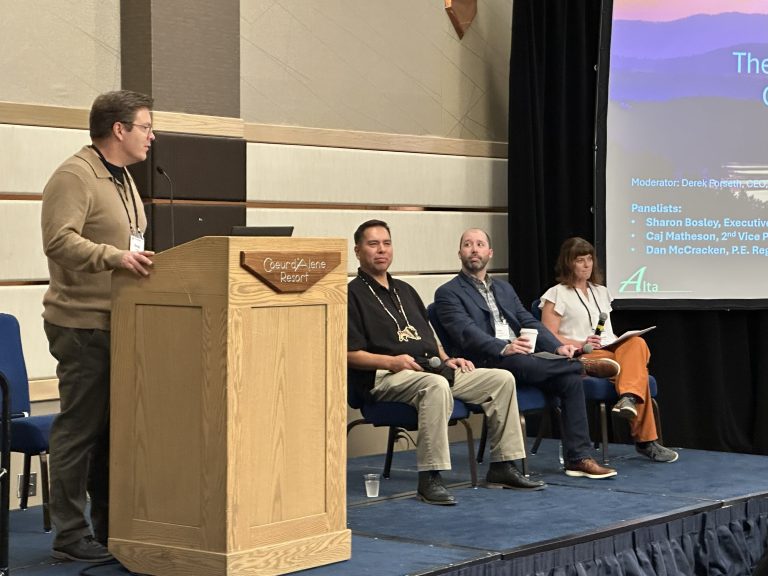
“What if this is as good as it gets for Coeur d’Alene Lake?” Derek Forseth asked as he introduced the panel at the Environmental Symposium, hosted by the Northwest Environmental Business Council on November 6, 2025. The panel session, A Case Study: The Health and Future of Lake Coeur d’Alene, presented Coeur d’Alene Lake as the poster child of the symposium, which was themed, Inland Northwest; Water Under Pressure. Panelists included Caj Matheson, Director of the Coeur d’Alene Tribe’s Natural…

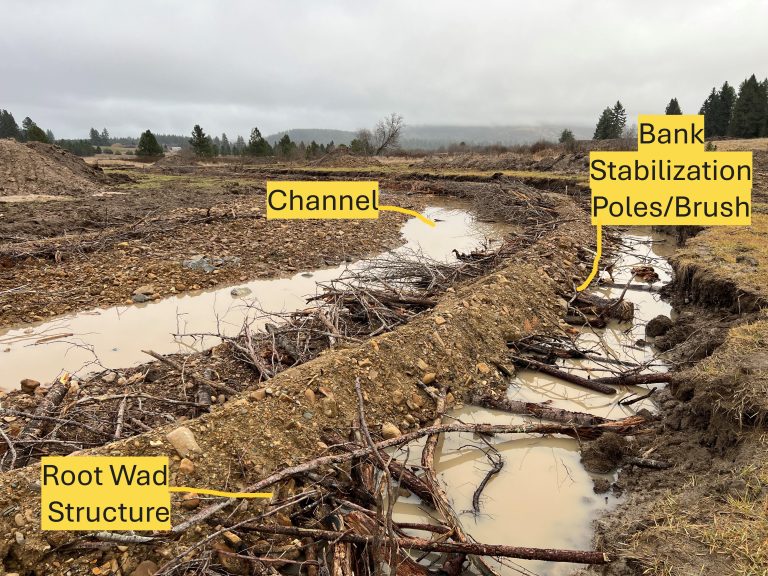
New Channel Hangman Creek

OUR GEM: k’wne’ ‘ulchiyark’wmtsut – Fisheries Restoration Connecting Two Restored Reaches

By Bruce Kinkead, Fisheries Biologist, Coeur d’Alene Tribe The Hangman Creek Fisheries Restoration Project began in 2002 and is funded by Bonneville Power Administration under the Fish Substitution Policy to compensate for lost salmon harvesting. Early research found the limiting factors to be lack of connection between channel and floodplain, lack of large woody debris (LWD), excess fine sediments, and high stream temperatures associated with a lack of tree canopy. Initial work on Hangman Creek below the Sanders townsite began…

OUR GEM: What’s Up at G.O. Phippeny Park?

OUR GEM: What’s Up at G.O. Phippeny Park?

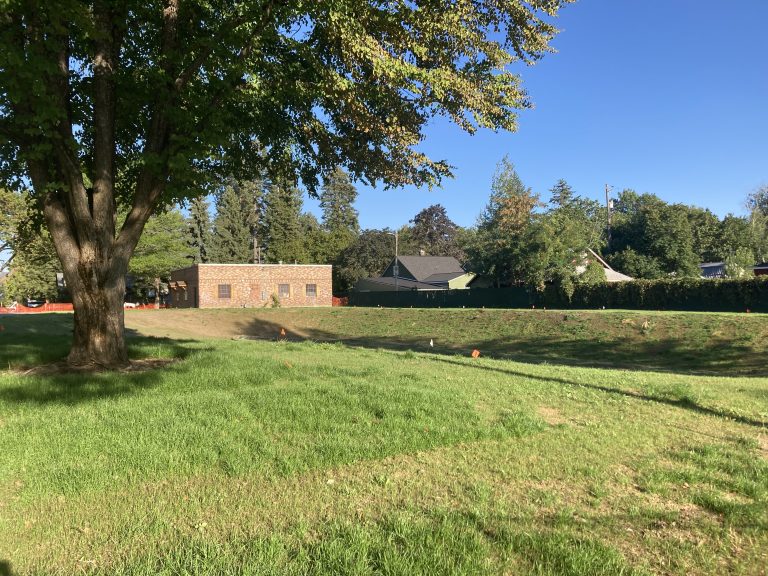
For those that drive up and down 7th Street between Midtown and Downtown Coeur d’Alene, you probably noticed some earthwork occurring this summer in G.O. Phippeny Park located at the corner of 7th Street and Montana Avenue. Have you wondered what on earth is going on? Well, first, let’s step back and talk about the park itself. The park was the site of the original 1910 Coeur d’Alene High School and is named after Geoffrey Otto Phippeny, who was well-known…

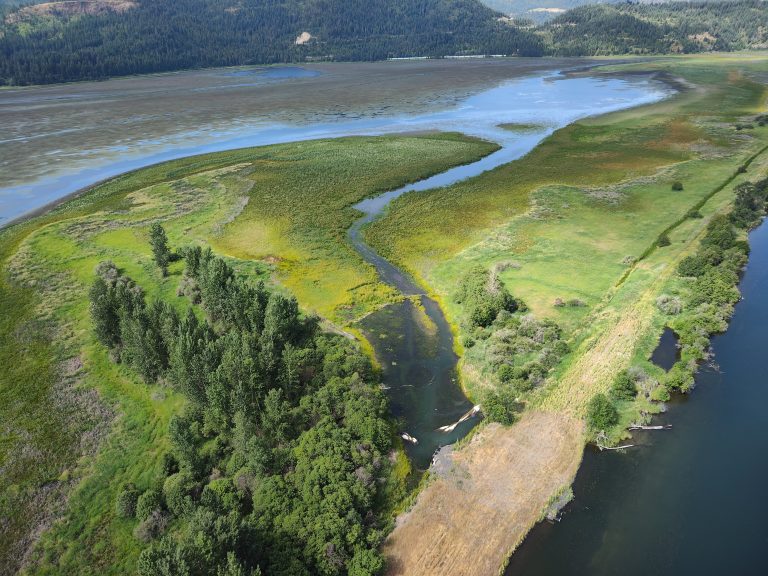
Hepton Lake After Wetland Restoration

OUR GEM: Restoration Project Turns Back the Clock at Hepton Lake

By Angelo Vitale, Fisheries Division Manager Last year, the Coeur d’Alene Tribe wrapped up construction work on one of its most ambitious projects to date and something that has been in the works for more than a decade. The Snyihms he mulshu’lmkhw (Swimmer’s Landing among the Cottonwoods) Project is located adjacent to the lower St. Joe River a few miles west of St. Maries, Idaho. During the pre-settlement era, the site was a floodplain marsh and wet meadow and was…

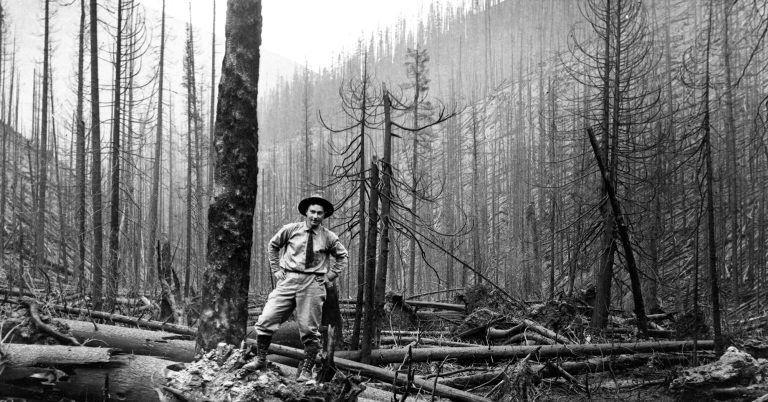
The Big Burn of 1910 Ranger

OUR GEM Ashes in the Current: The Hidden Hydrologic Legacy of the 1910 Fire

By Mark Getscher, hydrogeologist for the Coeur d’Alene Tribe More than a century after “The Big Burn” of 1910 scorched over three million acres across northern Idaho and western Montana, its legacy continues to flow through the streams and rivers of the Coeur d’Alene Basin. While most remember the fire for its devastation and heroism, far fewer realize its silent and lingering impact on water quality. High-intensity wildfires combust vegetation and organic soil layers, converting them into ash. This ash is…