Freshwater algae are a natural part of lakes, rivers, and streams. They produce oxygen, absorb nutrients, and support the entire aquatic food web. But when algae grow out of control, they can turn our favorite recreation spots into smelly, discolored, or even hazardous places. Some of these blooms (not all of them) are caused by cyanobacteria often called blue‑green algae which can sometimes produce toxins harmful to people, pets, and wildlife.
These events are known as harmful algal blooms (HABs). In North Idaho we tend to see several HABs each summer and understanding what they look like and how to stay safe is key to enjoying the season.
What do HABs look like?
Cyanobacteria blooms can appear in many forms, including:
- Bright green or pea-soup-like water
- Streaks or clumps of scum
- Thick mats along the shoreline
- Colors ranging from green to brown, yellow, orange, or even red
Some blooms can be extremely concentrated. Not everything green is harmful. Duckweed, filamentous green algae, and pine pollen often get mistaken for HABs but are not toxic.
Why do HABs happen?
Scientists know some of the factors that contribute to HABs, but not all. Conditions that make blooms more likely include:
- Warm summer temperatures
- Longer growing seasons
- Calm or stagnant water
- Excess nutrients from fertilizers, stormwater runoff, and erosion
- Sunlight and water clarity
The EPA notes that the exact triggers for toxin production are still being researched. Not every bloom produces toxins, but there’s no easy way to tell just by looking.
What are the risks?
Cyanotoxins can affect the skin, liver, and nervous system. People exposed to toxins may experience symptoms including but not limited to headaches, stomach pain, vomiting, diarrhea, tingling, or in severe cases, breathing difficulties. Symptoms can appear within hours or take days to develop.
Pets are especially vulnerable. It is believed that dog fur can trap and concentrate cyanobacteria, increasing exposure when pets lick themselves after swimming or ingesting the water directly. HABs have caused pet deaths in our area. Beyond health concerns, HABs can impact local economies by reducing recreation and increasing monitoring and cleanup costs.
2026: Idaho’s Updated HAB Notification
Current resource limitations prevent Idaho Department of Environmental Quality (DEQ) from moving forward with traditional HABs testing. DEQ will still be responding, investigating and using best professional judgment and microscopic examination. This approach provides a cost-effective means of identifying cases that warrant further investigation. Health Advisories are issued when the potential for toxins producing organisms to be present in a waterbody. DEQ and Panhandle Health District (PHD) ensure that signs will be posted at public boat launches if a bloom is occurring.
Curious about a water body near you? You can check for advisories at:
https://www.deq.idaho.gov/water-quality/surface-water/cyanobacteria-harmful-algal-blooms/ or https://www.gethealthy.dhw.idaho.gov/recreational-water-health-advisories
How to protect yourself, your family, and your pets
- Avoid water that looks discolored, foamy, or scummy.
- Keep pets out of suspicious water, they are at higher risk.
- Rinse off with clean water after swimming.
- Follow posted signs, they now match the Advisory alert system.
How can you help?
Reducing nutrient pollution helps prevent HABs. Small actions add up to healthier lakes. You can:
- Use lawn fertilizers sparingly
- Prevent soil erosion on your property
- Pick up pet waste
- Support local stormwater and agricultural improvements
A note for watershed groups and lake associations
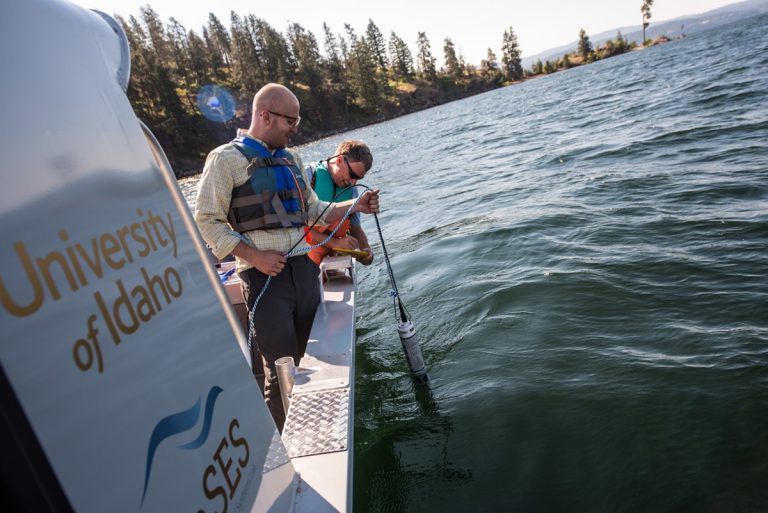
Some community groups want more frequent or targeted monitoring in their local waters. While DEQ continues to respond to reported blooms and provide statewide coordination, watershed groups, homeowner associations, and lake organizations may choose to conduct additional water sampling if they want more frequent testing or localized data.
Many groups already partner with certified labs or environmental organizations to supplement state monitoring. This can help communities stay informed and support early detection during peak recreation months.
See something suspicious? Report it.
You can report a potential HAB to the DEQ website. The reporting form also allows you to submit photos.
In North Idaho Panhandle Health District issue recreational water health advisories. DHW maintains the statewide Recreational Water Health Advisory Map, which shows current Health advisories.
Enjoy Idaho’s waters, safely! Recreation is at the heart of North Idaho communities. By staying informed and doing our part to reduce nutrient pollution, we can help protect our lakes, rivers, and the people and pets who enjoy them.